
Early Signs of Gum Disease to Watch For
You usually do not feel gum disease arrive all at once. It tends to start quietly – a little blood in the sink, gums that look puffier than usual, or breath that does not seem fresh even after brushing. Those early signs of gum disease are easy to brush off, especially when nothing feels painful yet.
That quiet start is exactly why gum problems can linger longer than they should. In the earliest stage, gum disease is often mild and very treatable. The sooner it is recognized, the easier it is to protect your gums, teeth, and overall smile.
What early gum disease actually looks like
Early gum disease usually begins as gingivitis. This means the gums are irritated and inflamed, often because plaque has been allowed to build up around the gumline. Plaque is soft and sticky, but if it is not removed well with brushing and flossing, it can harden into tartar and make the gums even harder to keep clean.
A lot of people expect gum disease to hurt right away. Often, it does not. That is one reason it gets missed. You may still be eating normally, brushing as usual, and feeling fine, while your gums are already showing signs that they need attention.
Early signs of gum disease you should not ignore
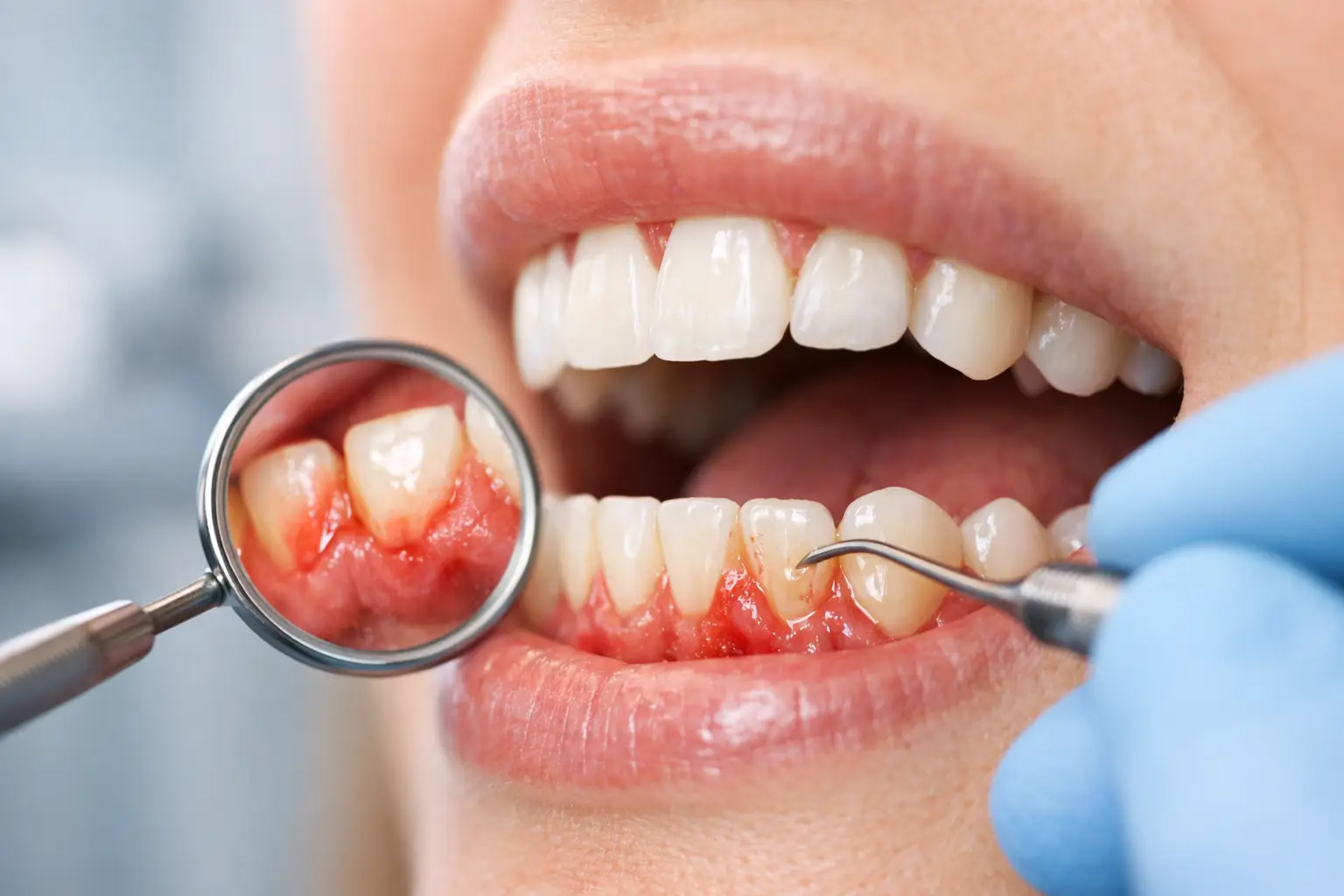
Bleeding when you brush or floss
This is one of the most common warning signs. If you see pink in the sink after brushing or flossing, your gums are not just being sensitive for no reason. Healthy gums do not usually bleed from normal cleaning.
Some people stop flossing when they notice bleeding, thinking they are making things worse. In reality, bleeding often means there is inflammation present. Gentle daily flossing and proper cleaning still matter, but if the bleeding keeps happening, it is time for a professional evaluation.
Red, swollen, or tender gums
Healthy gums are typically firm and light pink. When gums look darker red, puffy, or feel sore to the touch, inflammation is often part of the picture. Swelling may appear around one tooth or along a wider section of the mouth.
This can happen after food gets trapped or when oral hygiene slips for a few days, but it can also signal the start of a bigger problem. If the change does not settle quickly, it deserves attention.
Bad breath that sticks around
Morning breath is normal. Breath that stays unpleasant through the day, even after brushing, can point to bacteria collecting around the gums and teeth. Gum disease is not the only possible cause of bad breath, but it is a common one.
If mouthwash only covers the odor for a short time, that is a clue that the source has not been addressed. Persistent bad breath is worth mentioning at your dental visit.
Gums that look like they are pulling away
When gums begin to recede, teeth can look longer than they used to. This may happen gradually, so you might only notice it when comparing photos or seeing more tooth surface near the gumline.
Receding gums are not always caused by gum disease alone. Aggressive brushing, grinding, and bite issues can also play a role. Still, recession should never be ignored because it can expose sensitive root surfaces and make the mouth more vulnerable over time.
Ongoing sensitivity
If cold drinks, sweets, or even breathing in cool air suddenly make your teeth feel more sensitive, your gums may be part of the issue. When gums are inflamed or receding, the protected areas near the roots can become exposed.
Sensitivity also has other causes, including cavities or enamel wear. That is why an exam matters. What feels like a simple sensitivity issue may actually be your gums asking for help.
A change in how your gums feel or fit around your teeth
Sometimes the earliest clue is not dramatic. Your gums may feel softer, looser, or slightly irritated in one area. Food may start catching more often between certain teeth. You may notice a small pocket where the gum no longer seems snug.
These changes can be subtle, but they matter. Gum disease often starts at the margins, where the tooth and gum meet, and that area can shift before more obvious symptoms appear.
Why these symptoms are easy to dismiss
One reason people wait is that gum disease can look minor at first. A little bleeding feels less urgent than a toothache. Mild swelling can come and go. Busy schedules also get in the way, especially for parents juggling school, work, and family appointments.
There is also the hope that better brushing for a few days will fix it. Sometimes improved home care does help if the issue is very early. But if plaque and tartar have already built up below the gumline, brushing alone may not be enough to fully stop the inflammation.
What causes gum disease in the first place
The main cause is plaque buildup, but the full picture is often more personal than that. Skipping flossing, rushing through brushing, or missing regular cleanings can all contribute. Smoking and vaping can increase risk as well, and tobacco use can sometimes mask bleeding, which makes gum problems harder to spot.
Hormonal changes, certain medications, dry mouth, diabetes, and a family history of gum disease can also make some people more prone to it. Orthodontic appliances, crowded teeth, and older dental work that traps plaque may add to the challenge. In other words, two people can have similar routines and still have different levels of risk.
When early gum disease becomes a bigger problem
Gingivitis is the earliest stage and is often reversible with professional care and improved daily habits. If it is left untreated, though, it can progress into periodontitis. That is when the infection starts affecting the structures that support the teeth, including bone.
At that point, treatment may become more involved. You might experience deeper gum pockets, more recession, loose teeth, or changes in your bite. This is why early action matters so much. The goal is not just to stop bleeding gums. It is to prevent long-term damage.
What a dentist will check
If you come in with concerns, the visit is usually straightforward. Your dentist will look at the color and shape of the gums, check for plaque and tartar buildup, measure any pockets around the teeth, and look for recession or bone changes if X-rays are needed.
This is not about judgment. Many people with gum inflammation are doing their best and still miss the signs. The point is to find out whether the issue is mild and localized or whether it needs more focused treatment.
How early treatment usually works
For many patients, treatment starts with a professional cleaning and a conversation about home care. If tartar has built up along or under the gumline, that buildup needs to be removed so the gums can heal. Your dentist may also recommend more frequent cleanings for a period of time, depending on how your gums respond.
Home care matters just as much. Brushing twice a day with a soft-bristled toothbrush, cleaning between the teeth daily, and keeping up with checkups can make a real difference. If technique is part of the problem, small adjustments often help more than people expect.
In some cases, treatment needs to go further than a routine cleaning. If there are deeper pockets or signs of progression, your dentist may recommend more targeted periodontal care. The right next step depends on how early the problem is caught.
How to protect your gums at home
Consistency matters more than perfection. Brush gently along the gumline instead of scrubbing hard. Clean between the teeth every day with floss or another tool your dentist recommends. Replace your toothbrush regularly, and do not ignore signs that keep showing up.
It also helps to pay attention to changes in your mouth the same way you would notice a skin rash or eye irritation. If your gums look different, feel different, or bleed repeatedly, that is useful information – not something to wait out for months.
For families, routine dental visits are one of the easiest ways to catch early issues before they become stressful or expensive. In a community practice setting like Nevis Dental, that often means helping patients stay ahead of problems with comfortable, personalized care rather than reacting once symptoms become severe.
When to schedule an appointment
If your gums bleed for more than a few days, look swollen, feel tender, or seem to be pulling away from your teeth, it is a good time to get checked. The same goes for chronic bad breath or new sensitivity that does not have an obvious cause.
You do not need to wait until something hurts. In fact, with gum disease, waiting for pain can mean waiting too long. A simple exam can give you clarity, reassurance, and a plan that fits where you are now.
Healthy gums support more than your teeth. They support your comfort, your confidence, and the smile you share every day. If something feels off, trust that instinct and let it be checked while the fix is still simple.
