
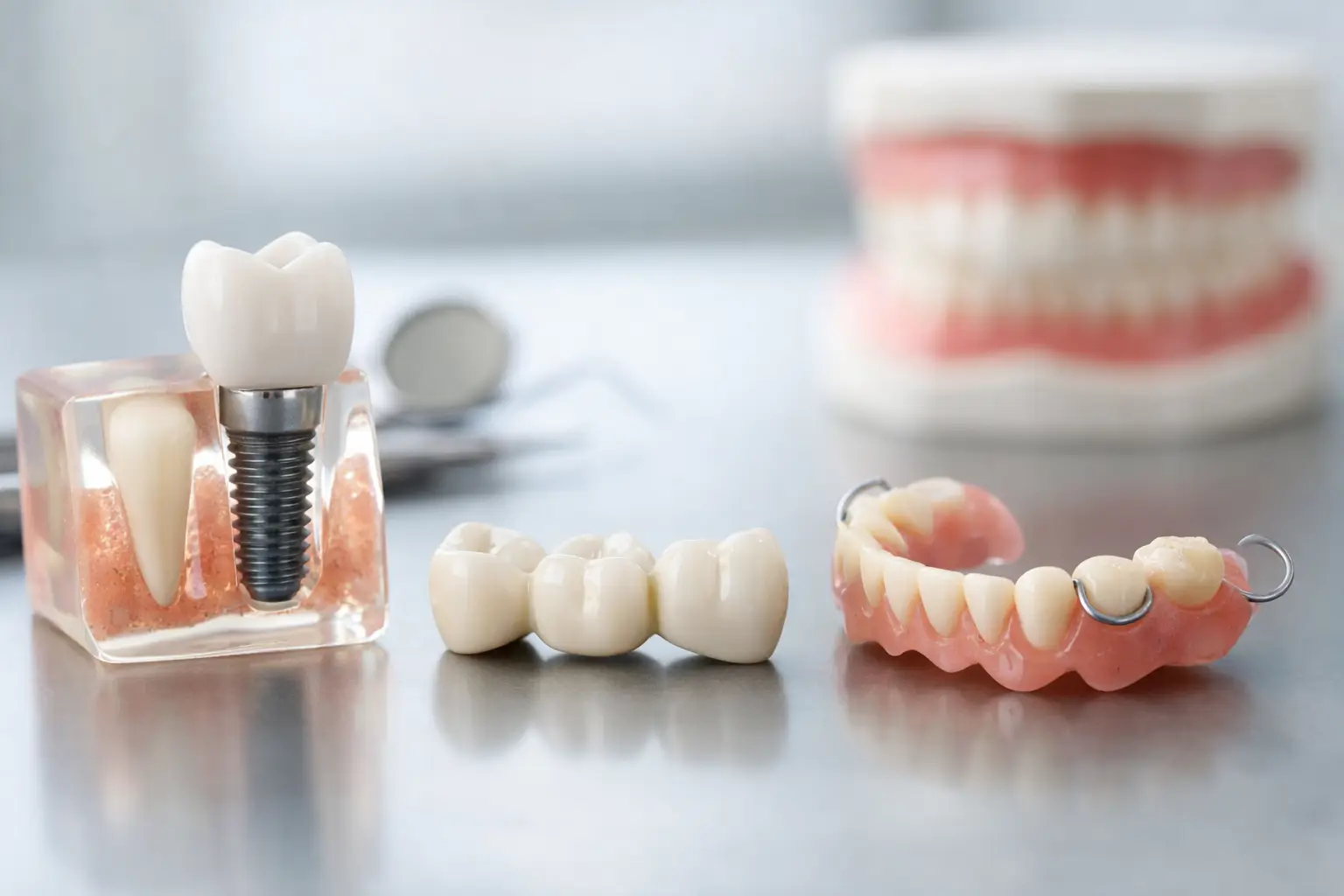
Best Ways to Replace Missing Teeth
Losing a tooth changes more than your smile. It can affect the way you chew, the way you speak, and even how confident you feel in everyday moments like laughing, eating out, or taking a photo. The best ways to replace missing teeth depend on where the tooth is, how many teeth are missing, your oral health, and what kind of result feels right for your life.
For some people, the main goal is getting back to comfortable chewing. For others, it is restoring a natural-looking smile that feels secure and easy to maintain. Most patients want both. The good news is that modern dentistry offers several reliable options, and there is rarely just one path forward.
Best ways to replace missing teeth: what matters most
When a tooth is missing, timing matters. Even one gap can lead to shifting teeth, bite changes, added pressure on neighboring teeth, and gradual bone loss in the jaw. That is why replacement is not just a cosmetic choice. It is also part of protecting your long-term oral health.
The right treatment usually comes down to a few practical questions. Is the missing tooth in the front or back? Are the nearby teeth healthy? Do you want the most fixed and natural-feeling solution, or are you looking for the most budget-conscious option? Is speed important, or are you willing to invest more time for a longer-lasting result?
A caring dental team will look at all of that together, not just the empty space itself.
Dental implants
For many adults, dental implants are considered one of the best long-term options for replacing missing teeth. An implant replaces the tooth root with a small titanium post placed in the jawbone, and a crown is attached on top to restore the visible part of the tooth.
What makes implants so appealing is stability. They do not rely on neighboring teeth for support, and they are designed to feel very close to a natural tooth. They also help preserve jawbone in a way other options cannot, which matters for both function and facial structure over time.
Implants can work well for a single missing tooth, several missing teeth, or even full-arch restoration in some cases. They are especially attractive for patients who want something fixed rather than removable.
That said, implants are not always the fastest route. Treatment can take several months depending on healing time, and some patients need bone grafting before implant placement if there has already been bone loss. They also tend to cost more upfront than bridges or dentures. For many people, though, that higher initial investment is balanced by comfort, durability, and the fact that surrounding teeth are left untouched.
Dental bridges
A dental bridge fills a gap by anchoring an artificial tooth to the natural teeth on either side. This is a well-established option and can be an excellent choice when the neighboring teeth already need crowns or have large restorations.
One benefit of a bridge is that treatment is typically faster than an implant. It is fixed in place, so you do not remove it at night, and it can restore both appearance and chewing fairly quickly.
Bridges do have trade-offs. Unlike implants, they do not replace the tooth root, so they do not prevent jawbone loss under the missing tooth in the same way. They also require support from adjacent teeth, which often means reshaping those teeth to hold crowns. If the nearby teeth are healthy and untouched, some patients prefer an option that preserves them.
Still, bridges remain one of the best ways to replace missing teeth when you want a stable, natural-looking solution and need a more efficient timeline.
Partial dentures
If you are missing several teeth in different areas, a partial denture may be a practical answer. This removable appliance replaces multiple missing teeth and is designed to fit around the remaining natural teeth.
Partial dentures are often more affordable than replacing each missing tooth with an individual implant. They can also be made relatively quickly, which is helpful if you want to restore your smile and function without a long treatment process.
The adjustment period matters here. Some patients adapt quickly, while others need time to get used to the feel of a removable appliance. Partial dentures may move slightly during eating or speaking, and they require daily removal and cleaning. Over time, changes in your mouth may mean adjustments or replacement are needed.
For the right patient, though, a partial denture offers a meaningful improvement in both appearance and day-to-day comfort.
Full dentures
When all teeth in the upper or lower arch are missing, full dentures are often the most straightforward solution. Today’s dentures are more natural-looking than many people expect, and they can restore facial support, speech, and the ability to eat a wider range of foods.
Traditional dentures sit on the gums and are removable. They can be an important first step for patients who need full-mouth tooth replacement and want a more accessible treatment option.
The challenge is stability. Lower dentures, in particular, can feel less secure because they have less surface area for support. Dentures also do not stimulate the jawbone, so bone shrinkage can continue over time, affecting fit.
This does not make dentures a poor choice. It just means expectations should be realistic. For some patients, they are the best starting point. For others, they become even more comfortable and secure when paired with implants.
Implant-supported dentures
If you like the broader replacement offered by dentures but want more confidence while eating and speaking, implant-supported dentures can be a strong middle ground. Instead of relying only on the gums, the denture attaches to implants placed in the jaw.
This added support can make a big difference. Patients often notice better stability, less slipping, and a more secure bite. In many cases, implant-supported dentures also help preserve bone better than traditional dentures alone.
There are still choices within this option. Some implant dentures snap in and out for cleaning, while others are fixed and removed only by the dental team during maintenance visits. The best version depends on your anatomy, your goals, and your budget.
For people missing many or all teeth, this is often one of the best ways to replace missing teeth while balancing function, comfort, and appearance.
Which option is best for you?
There is no single treatment that is best for everyone. A younger adult missing one tooth after an accident may benefit most from an implant. A patient missing several teeth with healthy neighboring teeth might compare implants and a partial denture very differently. Someone looking for the fastest full-smile restoration may lean toward dentures, while another person may prefer a phased plan that leads to implant support.
Cost matters, but so does maintenance. Comfort matters, but so does the condition of your jawbone and gums. The most successful choice is usually the one that fits your health, your habits, and your long-term expectations.
That is why a proper exam is so important. Digital imaging, bite evaluation, and a clear conversation about goals can reveal whether an option that sounds ideal on paper is actually the right fit in real life.
What to expect from treatment planning
A thoughtful consultation should feel calm and personalized, not rushed. Your dentist should examine the missing area, assess nearby teeth, evaluate gum health, and check bone support. If you are considering implants, imaging helps determine whether there is enough bone or whether grafting may improve the outcome.
You should also talk openly about lifestyle. If you travel often, want the lowest-maintenance option, or feel anxious about surgery, those details matter. Good treatment planning is not about steering everyone toward the same procedure. It is about choosing what will serve you best over time.
At a modern practice like Nevis Dental, that conversation can include both functional needs and appearance goals, because replacing a missing tooth is not only about filling space. It is about helping your smile feel complete again.
Don’t wait too long to replace a missing tooth
It is easy to put off treatment if the gap is not visible or if the area is not painful. But missing teeth tend to create gradual changes that become more complicated later. Teeth can drift. Opposing teeth can move out of position. Bone can shrink. What starts as one missing tooth can eventually affect your bite and make treatment more involved.
Even if you are not ready to begin right away, getting evaluated gives you options. It also helps you understand what may change if you wait.
Replacing missing teeth should feel hopeful, not overwhelming. The right solution can restore comfort, protect your oral health, and bring back the ease of smiling without thinking twice.
