
How to Care for New Braces the Right Way
Getting braces is exciting until the first sore bite, the first stubborn food trap, or the first moment you wonder whether brushing has suddenly become a part-time job. If you are learning how to care for new braces, the good news is that the adjustment period is usually short, and a few smart habits can make a big difference in how comfortable and successful treatment feels.
The first week tends to be the hardest. Your teeth are starting to move, your cheeks may feel irritated, and foods you used to eat without thinking suddenly need a second look. That is normal. Braces work best when they are paired with steady home care, a little patience, and regular follow-up visits.
How to care for new braces in the first few days
The first few days after getting braces are mostly about comfort and protecting your mouth while it adjusts. Mild soreness is common, especially when biting or chewing. Your lips and cheeks may also need time to get used to the brackets.
Soft foods usually help at the start. Think yogurt, mashed potatoes, oatmeal, soup, pasta, smoothies, scrambled eggs, or soft rice. These foods let you eat without putting too much pressure on tender teeth. As the soreness fades, you can gradually return to more of your normal meals, but it is still wise to avoid foods that are hard, sticky, or easy to bite into too aggressively.
Orthodontic wax can also be useful early on. If a bracket is rubbing against the inside of your cheek or lip, a small piece of wax creates a smoother surface and gives irritated tissue time to settle down. If one area keeps bothering you, mention it at your next visit or call sooner if it feels significant.
Brushing and flossing with braces
One of the biggest changes with braces is that food and plaque have more places to hide. Brackets and wires create extra corners where buildup can collect, which means brushing quickly is rarely enough. Clean teeth move through treatment more safely than teeth surrounded by swollen gums and plaque.
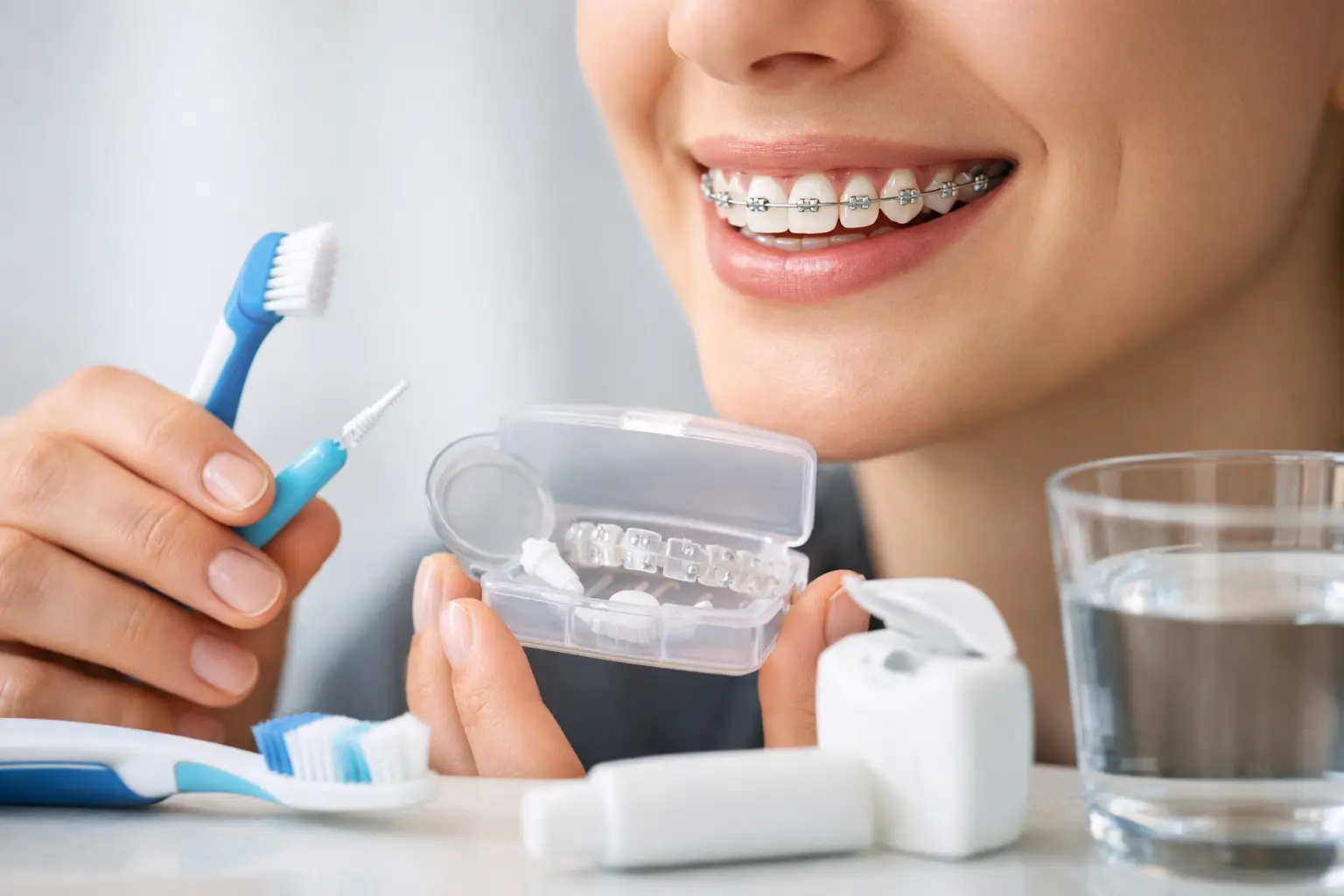
Brush after meals when you can, and be especially thorough before bed. Angle the toothbrush so you clean above the brackets, across the brackets, and below them near the gumline. Gentle pressure works better than aggressive scrubbing. A soft-bristled toothbrush or electric toothbrush is often the easiest choice because it cleans well without being too harsh on sore areas.
Flossing takes more effort with braces, but it matters. A floss threader or orthodontic flosser can help you guide floss under the wire. If traditional flossing feels frustrating at first, that does not mean you should skip it. It simply means you are learning a new skill. Many patients get much faster after the first couple of weeks.
A fluoride toothpaste and, if recommended by your dental team, a fluoride rinse can help protect enamel during treatment. This is especially helpful for patients who snack often, drink sweet beverages, or tend to miss spots around brackets.
What to eat and what to avoid
Food choices affect more than comfort. They also affect whether brackets stay attached and wires stay in the right position. One broken bracket may not sound like much, but it can slow treatment and create extra appointments.
In general, braces do better with foods that are cut into smaller pieces and chewed carefully with the back teeth. Apples are a good example. Sliced apples are usually a safer option than biting directly into a whole one. The same goes for crusty bread, corn on the cob, and similar foods.
Sticky foods are often the most troublesome because they can pull at brackets and cling around wires. Very hard foods can also cause problems, especially when bitten with the front teeth. That does not mean every patient needs the exact same restrictions forever. It depends on the type of braces, the stage of treatment, and your orthodontist’s advice. But as a rule, cautious eating saves time and frustration.
Sugary snacks and drinks deserve attention too. With braces, sugar can sit around brackets longer, which raises the risk of white spots, cavities, and gum irritation. If you do have something sweet, rinse with water afterward and brush as soon as practical.
Managing soreness without stress
Pressure after an adjustment is common, and many patients notice that teeth feel tender for a day or two. This can make even familiar foods feel different. It helps to know that this discomfort is usually a sign that the braces are doing their job.
Cool water, softer meals, and time are often enough. Some patients also find relief by rinsing with warm salt water if the mouth feels irritated. If your dentist or orthodontist has recommended an over-the-counter pain reliever, use it exactly as directed. If pain feels sharp, unusual, or does not improve, it is worth checking in rather than trying to push through it.
There is a difference between expected soreness and something that needs attention. A poking wire, a loose bracket, or irritation that keeps getting worse should not be ignored. Small problems are usually easier to fix when handled early.
Protecting your braces during daily life
Braces are durable, but they are not indestructible. Habits that seemed harmless before treatment can become a problem once brackets and wires are in place. Nail biting, chewing on pens, crunching ice, and opening packages with your teeth can all lead to damage.
If you play sports, wear a mouthguard. This matters even in activities that do not seem high-impact at first glance. A hit to the mouth can injure soft tissues and damage orthodontic appliances. A properly fitted mouthguard adds a layer of protection for both your braces and your smile.
If you grind your teeth at night, mention that to your dental team. Depending on your needs, they may want to monitor wear patterns or adjust recommendations during treatment. Braces change how forces are distributed across the teeth, so personalized guidance matters.
Common problems and when to call
Part of knowing how to care for new braces is understanding what you can manage at home and what needs professional attention. Mild tenderness, temporary cheek irritation, and needing extra time to brush are all expected. A loose wire, broken bracket, or band that shifts out of place is different.
If a wire is poking, orthodontic wax may help temporarily. If a bracket becomes loose but is still attached to the wire, leave it alone and call for instructions. Do not try to cut wires or repair anything yourself. Home fixes often create bigger problems.
You should also reach out if you notice significant swelling, persistent bleeding, severe pain, or signs that oral hygiene is becoming difficult to manage. Sometimes the issue is simple. Sometimes it needs an adjustment. Either way, reassurance is part of good care.
How to care for new braces as the weeks go on
After the first week or two, braces begin to feel less foreign. That is usually when routine becomes more important than motivation. The patients who do well long term are not always the ones with perfect technique on day one. They are the ones who stay consistent.
Keep your appointments. Orthodontic treatment relies on regular adjustments and monitoring. Delays can extend treatment time or allow small issues to become larger ones. If you are a parent helping a child or teen through braces, this is also a good time to keep an eye on supplies like floss threaders, wax, travel brushes, and toothpaste. Convenience helps habits stick.
It is also worth paying attention to the bigger picture. Braces are not just about straightening teeth for appearance, although that visible improvement is exciting. They can also support bite function, make certain areas easier to clean, and contribute to long-term oral health. Daily care protects those benefits.
For families in Nevis looking for orthodontic care, it helps to have a dental team that can explain the small day-to-day details clearly and make adjustments when something does not feel right. That kind of support can make the whole process feel more manageable.
Braces ask for a little more from you every day, but they do not need to take over your life. A careful brushing routine, smart food choices, and a willingness to speak up when something feels off will carry you a long way. Give yourself a little grace in the beginning – the learning curve is real, but it gets easier, and each good habit moves your smile in the right direction.
