
Digital Dental X Rays Safety Explained
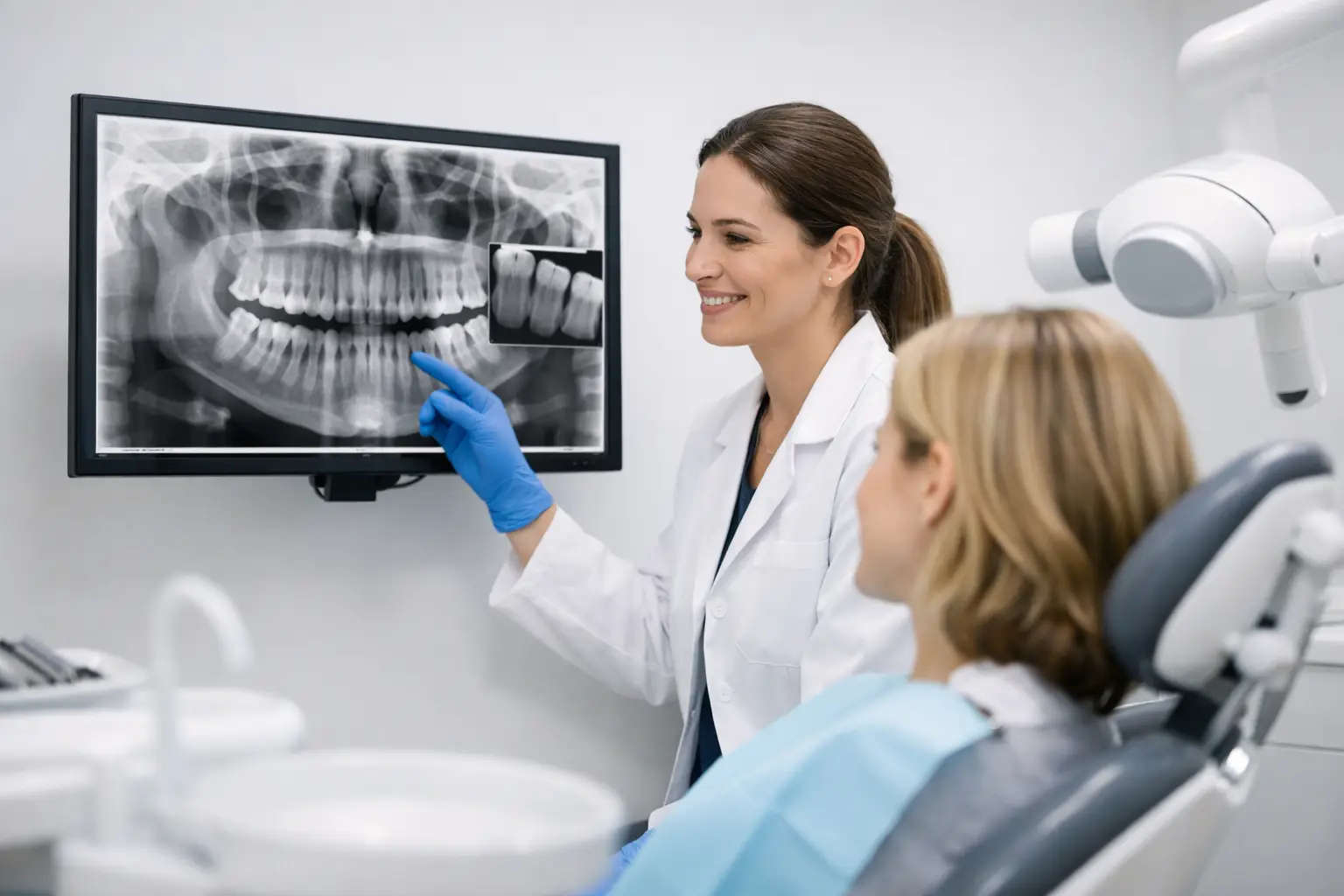
If you have ever hesitated when a dental team recommends X-rays, you are not alone. Questions about digital dental x rays safety are common, especially for parents, pregnant patients, and anyone trying to limit unnecessary medical exposure. The good news is that modern dental imaging uses very low radiation, and when it is recommended thoughtfully, it plays an important role in protecting your health.
Digital X-rays have changed the way dentists diagnose problems. They are faster, more precise, and generally use less radiation than traditional film X-rays. That does not mean every patient needs them at every visit. Good care is not about taking more images. It is about taking the right images at the right time for the right reason.
Why digital dental X rays safety matters
Many dental problems start where you cannot see them. Cavities can form between teeth. Bone loss can develop below the gumline. Infections may begin at the root tip with little to no pain at first. A tooth that looks fine on the surface can hide a crack, decay under an old filling, or changes around an impacted wisdom tooth.
Without X-rays, a dentist is sometimes left making decisions with only part of the picture. That can lead to delayed treatment, bigger procedures later, and more discomfort than necessary. Digital imaging helps catch issues early, when treatment is often simpler and more conservative.
Safety matters because radiation exposure should always be kept as low as reasonably achievable. In a well-run dental office, that principle guides when images are taken, what type is used, and how the equipment is set up. Modern systems are designed with that in mind.
How much radiation do digital dental X-rays use?
This is the question most people really want answered. Digital dental X-rays use a small amount of radiation, and in most cases the dose is low. Exact amounts vary based on the type of image, the machine, the patient’s size, and the number of images needed, but digital systems typically reduce exposure compared with older film technology.
A single small dental X-ray is a very different experience from a medical CT scan or other higher-dose imaging test. That comparison matters, because many people hear the word radiation and imagine a much larger exposure than what a routine dental image actually involves.
It also helps to remember that radiation is part of everyday life. We are naturally exposed to small amounts from the environment. That does not mean extra exposure should be ignored. It means context matters. Dental teams weigh the benefit of the image against the very small dose involved.
What makes digital imaging safer than older methods?
The biggest advantage is efficiency. Digital sensors are more sensitive than traditional film, so they can capture a useful image with less radiation. Images also appear quickly on a screen, which reduces delays and can lower the chance of retakes.
Dentists can enlarge the image, adjust contrast, and look closely at specific areas without exposing the patient again. That improved visibility can make diagnosis more accurate while keeping the process simpler and more comfortable.
Modern offices also use targeted imaging. Instead of taking a broad set of images by default, many practices tailor X-rays to the patient’s history, age, risk level, and current symptoms. A child with a low cavity risk does not automatically need the same schedule as an adult with a history of extensive dental work.
When are dental X-rays actually necessary?
This is where trust matters. The safest X-ray is the one that is truly needed, and the right answer depends on your situation.
If you are a new patient, your dentist may recommend images to establish a baseline and check for concerns that are not visible during the exam. If you have tooth pain, swelling, trauma, gum disease, or signs of infection, X-rays can help pinpoint the problem. They are also often useful before procedures such as root canals, implants, extractions, orthodontic treatment, and some restorative work.
Routine checkup X-rays are usually based on risk rather than a one-size-fits-all schedule. Someone with frequent cavities, gum issues, dry mouth, or many restorations may need them more often. Someone with stable oral health may need them less often. A good dentist explains why the image is recommended, what it is meant to show, and whether there are alternatives.
Digital dental X rays safety for children
Parents often have extra concerns, and that is understandable. Children are still growing, and no parent wants unnecessary exposure. At the same time, X-rays can be especially valuable for kids because teeth and jaws are developing quickly.
They can help detect cavities between baby teeth, monitor how adult teeth are coming in, evaluate space issues, and spot problems early enough to prevent more complex treatment later. If a child is prone to cavities or is starting orthodontic care, imaging may be an important part of planning.
The key is individualized care. Children should not receive X-rays just because it is routine. They should receive them when the information will help protect their oral health. Proper positioning, modern digital equipment, and child-specific settings all support a safer process.
What about pregnancy?
Pregnancy often raises another set of questions around digital dental x rays safety. In general, dental X-rays can be taken during pregnancy when they are necessary, especially for urgent concerns such as pain, infection, or swelling. Untreated dental infections can create bigger health problems, so delaying care is not always the safest choice.
Your dental team should know if you are pregnant or think you might be. That allows them to consider timing, urgency, and the type of imaging needed. In some cases, non-urgent images may be postponed. In others, the benefit of diagnosing and treating a problem promptly outweighs the minimal risk of the X-ray itself.
This is one of those areas where blanket advice can be misleading. The best approach is a case-by-case decision guided by your dentist and, when needed, your physician or OB-GYN.
How dental offices reduce exposure even further
Safety is not only about the machine. It is also about the habits and standards behind it.
A careful dental team reviews your history before recommending images. They avoid unnecessary repeats, use the smallest number of images needed to answer the clinical question, and make sure sensors and equipment are positioned correctly. Well-maintained technology and trained staff make a real difference.
Protective measures may also be used based on current guidelines, patient preference, and the type of image being taken. If you have questions about shielding, frequency, or why a certain X-ray is being recommended, ask. A quality practice will welcome the conversation.
Common concerns patients have
One of the most common worries is cumulative exposure. That concern is reasonable, especially if you see multiple healthcare providers. The answer is not to avoid all imaging. It is to make sure each image has a clear purpose and that providers know your recent history.
Another concern is whether cosmetic or elective treatments lead to unnecessary X-rays. Sometimes imaging is essential for planning, even when the goal is to improve appearance. For example, orthodontic treatment or implants require precise information about bone, roots, and tooth position. Still, the same rule applies: if the image will change treatment decisions or improve safety, it may be worth doing. If not, it should be questioned.
Some patients also assume digital means risk-free. That is not exactly right. Digital X-rays still use radiation. The reason patients and dentists feel more comfortable with them is that the dose is low, the technology is efficient, and the clinical value is often high.
Questions worth asking before an X-ray
If you want to feel more confident, ask a few simple questions. What is this X-ray checking for? Is it needed today, or can it wait? Have I had similar images recently? Will the result affect my treatment?
Those questions do not make you a difficult patient. They make you an informed one. In a patient-first office, the goal is not to rush you through imaging. The goal is to help you understand how it supports your care.
That is especially important for families choosing a long-term dental home. Whether you are bringing in a child for routine care, planning braces for a teen, or addressing a problem tooth as an adult, you deserve clear explanations and technology that supports comfort as well as accuracy.
The bigger picture behind safe dental care
Digital dental X-rays are one small part of a much bigger commitment to prevention. They help dentists find issues early, monitor changes over time, and recommend treatment before a minor concern becomes a major one. Used wisely, they support safer, more personalized care rather than adding risk for no reason.
For most patients, the real question is not whether all X-rays are bad or all X-rays are fine. It is whether this X-ray, right now, is justified by your needs. That is the standard that matters.
When your dental team takes time to explain the reason, use modern equipment, and tailor recommendations to you, X-rays become less of a worry and more of a tool – one that helps protect the healthy, confident smile you want to keep for years to come.
