
Single Tooth Implant Procedure Explained
Losing one tooth can affect more than your smile. It can change how you chew, how clearly you speak, and how confident you feel when you laugh or take photos. A single tooth implant procedure is designed to replace that missing tooth in a way that feels stable, looks natural, and helps protect the health of the surrounding bone and teeth.
For many patients, the biggest question is not whether an implant looks good. It is what the process actually involves. Knowing the steps ahead of time can make treatment feel much more manageable, especially if you are nervous about dental work or simply want to make the right long-term decision.
What is a single tooth implant procedure?
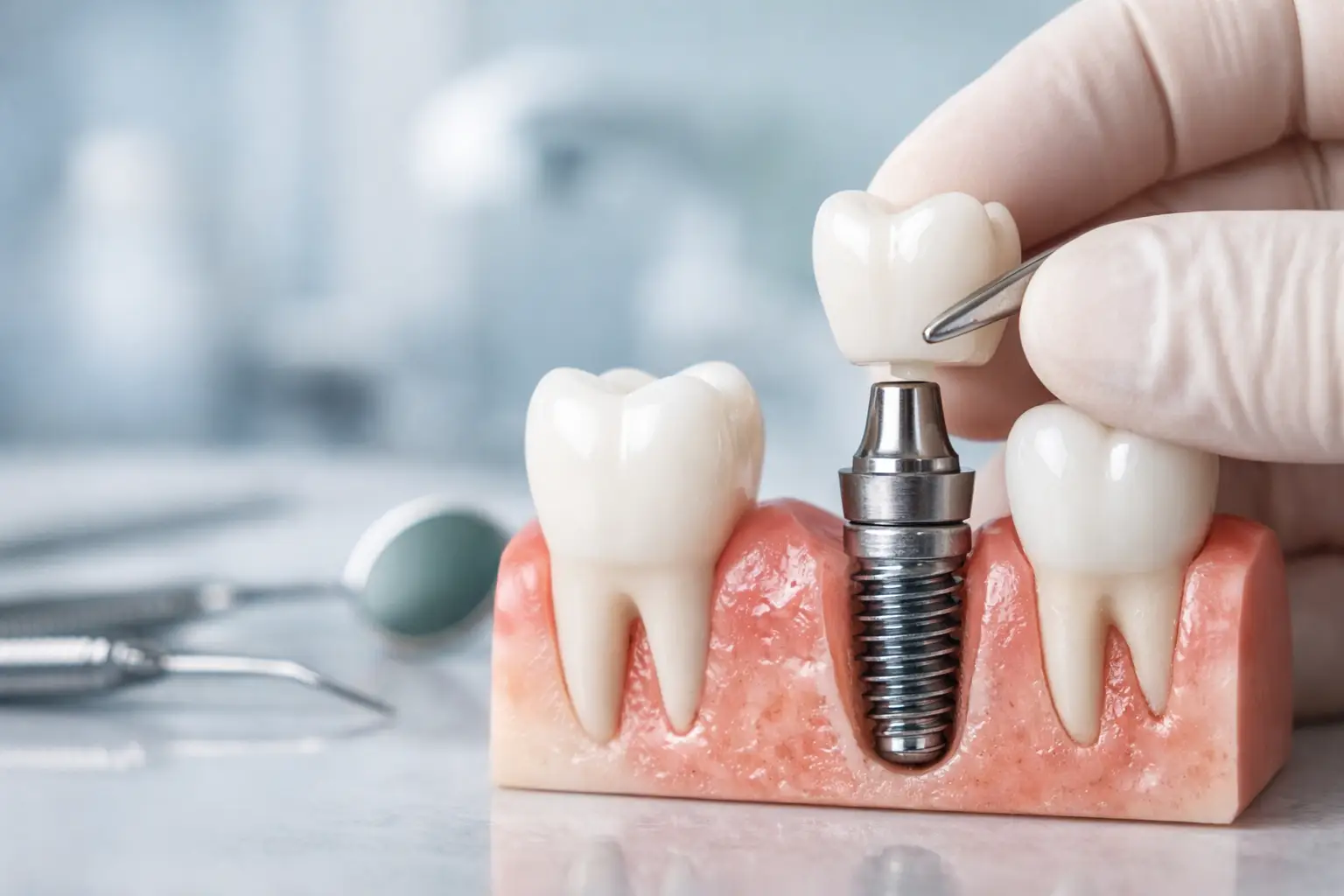
A single tooth implant procedure replaces one missing tooth without relying on the neighboring teeth for support. Instead of attaching a bridge to the teeth on either side, the dentist places a small titanium post into the jawbone where the root used to be. That post acts as the foundation for a custom crown.
The finished result has three main parts: the implant post, the connector called an abutment, and the crown that looks like a natural tooth. Together, they restore appearance and function while helping maintain the bone in the area.
This option is often recommended when one tooth is missing or needs to be removed and the surrounding teeth are healthy. If the adjacent teeth do not need crowns, an implant can be a more conservative choice than a bridge.
Who is a good candidate?
Most healthy adults can be considered for an implant, but the answer depends on a few key factors. Your gums need to be in reasonably good condition, and there must be enough bone to support the implant securely. If bone has shrunk after a tooth was lost, a bone graft may be recommended first.
Your dentist will also look at habits and health conditions that affect healing. Smoking, uncontrolled diabetes, untreated gum disease, and teeth grinding can all influence success. None of these automatically rule out treatment, but they may change the timing or treatment plan.
A good candidate is not just someone with a missing tooth. It is someone whose mouth and overall health can support predictable healing.
The evaluation and planning stage
Before the implant is placed, the first step is a detailed exam. This usually includes digital X-rays and often 3D imaging to assess bone height, bone width, and the position of nearby structures. Planning matters because implants need to be placed very precisely for both comfort and appearance.
At this stage, your dentist will review whether the tooth is already missing or still needs to be removed. They will also check the bite, the gumline, and the shade and shape needed for the final crown. For a front tooth, esthetics usually require even more careful planning because the gum contours and smile line are so visible.
This is also the time to discuss timeline, cost, and whether additional procedures are needed. Some patients can move directly into implant placement. Others need extraction, infection treatment, or grafting first.
Step by step: how the procedure works
1. Tooth removal, if needed
If the tooth is still present and cannot be saved, it will need to be extracted. In some cases, the implant can be placed the same day as the extraction. In others, the site needs time to heal first.
This depends on infection, bone quality, and how much initial stability the implant can achieve. Same-day placement can shorten treatment time, but it is not always the best choice. The healthiest approach is the one that gives the implant the strongest long-term support.
2. Bone grafting, if needed
If the jawbone is too thin or soft, a bone graft may be recommended. This helps build a better foundation for the implant. Some grafts are done at the time of extraction, while others are done as a separate step.
Hearing the words bone graft can sound intimidating, but in many cases it is a routine part of implant treatment. It may add healing time, but it can also improve the final result and long-term stability.
3. Implant placement
During the implant placement procedure, the dentist numbs the area thoroughly. A small opening is made in the gum, and the implant post is placed into the bone in a carefully prepared position. Many patients are surprised that this step is more comfortable than they expected.
After placement, the area may be covered and left to heal. In some cases, a temporary tooth may be used so you do not have a visible gap during the healing phase, especially for front teeth.
4. Healing and integration
The next stage is called osseointegration. This is when the bone gradually bonds to the implant surface. It is the reason implants can feel so stable once healing is complete.
Healing time varies, but it commonly takes a few months. This part requires patience. Even when the area feels fine early on, the bone still needs time to attach properly.
5. Abutment and crown
Once healing is confirmed, the dentist places the abutment and takes impressions or digital scans for the final crown. The crown is designed to match your natural teeth in shape, size, and color.
When the crown is secured, the implant begins functioning like a replacement tooth. The goal is a result that blends in so naturally that most people would never know it is there.
What does recovery feel like?
Recovery after implant placement is usually manageable. Mild swelling, tenderness, and soreness for a few days are common. Most patients return to normal daily activities quickly, though hard chewing near the area should be avoided while healing begins.
Your dentist may recommend soft foods, careful brushing, and an antibacterial rinse during the early healing period. Following instructions matters because the implant needs a stable, clean environment while the bone bonds to it.
Discomfort is often less than people expect, but recovery is not identical for everyone. A simple implant in a healthy site tends to heal faster than a case involving extraction or grafting.
How long does a single tooth implant procedure take?
This is one of the most common questions, and the honest answer is that it depends. A straightforward case may be completed over a few months. A more complex case with extraction, grafting, or delayed healing may take longer.
That can feel slow if you want the tooth replaced right away, but implant treatment is one of those situations where careful timing usually leads to better long-term results. Rushing the process can increase the risk of problems later.
Benefits and trade-offs
The biggest advantage of a single implant is that it stands on its own. It does not require the dentist to reshape neighboring healthy teeth, which is often necessary for a bridge. It also helps stimulate the jawbone, which can reduce bone loss in the area.
Implants are known for stability, natural appearance, and long-term value. They can make chewing easier and often feel more secure than removable options.
That said, there are trade-offs. The treatment takes time, it usually costs more upfront than a bridge, and some patients need additional procedures before the implant can be placed. Surgery, even minor oral surgery, can also feel like a big step for anxious patients.
This is why treatment planning should be personal. The best choice is not always the fastest or the cheapest. It is the one that fits your health, your goals, and your comfort level.
Cost factors to understand
There is no one-size-fits-all fee for an implant because the total cost depends on the full treatment plan. The number usually reflects more than the implant itself. It may include imaging, extraction, grafting, the implant post, abutment, crown, and follow-up visits.
A simple case is different from one that needs additional preparation. Material choices and the location of the tooth can also affect cost. Front teeth often require more esthetic planning, while back teeth may place greater biting forces on the restoration.
If you are comparing options, make sure you are comparing complete treatment plans rather than just a single quoted number.
Caring for your implant long term
A dental implant cannot get a cavity, but it still needs consistent care. The gums and bone around it must stay healthy. Daily brushing, flossing, and routine dental visits are essential.
If plaque builds up around an implant, the surrounding tissue can become inflamed. Over time, that can threaten the support around the implant. Good home care and regular professional cleanings play a big role in long-term success.
Patients who clench or grind may also benefit from a night guard to protect both natural teeth and implant restorations from excess pressure.
When to ask about an implant
If you have recently lost a tooth, or you have been living with a gap for years, it is worth asking whether an implant is still an option. Earlier treatment can sometimes make the process simpler because bone loss tends to increase over time. Even so, many patients who have been missing a tooth for a long time can still qualify with the right planning.
At Nevis Dental, these conversations are meant to be clear and pressure-free. You should leave understanding what is possible, what is recommended, and why.
Replacing a missing tooth is not only about filling space. It is about restoring comfort, confidence, and everyday function in a way that supports your smile for years to come.
