
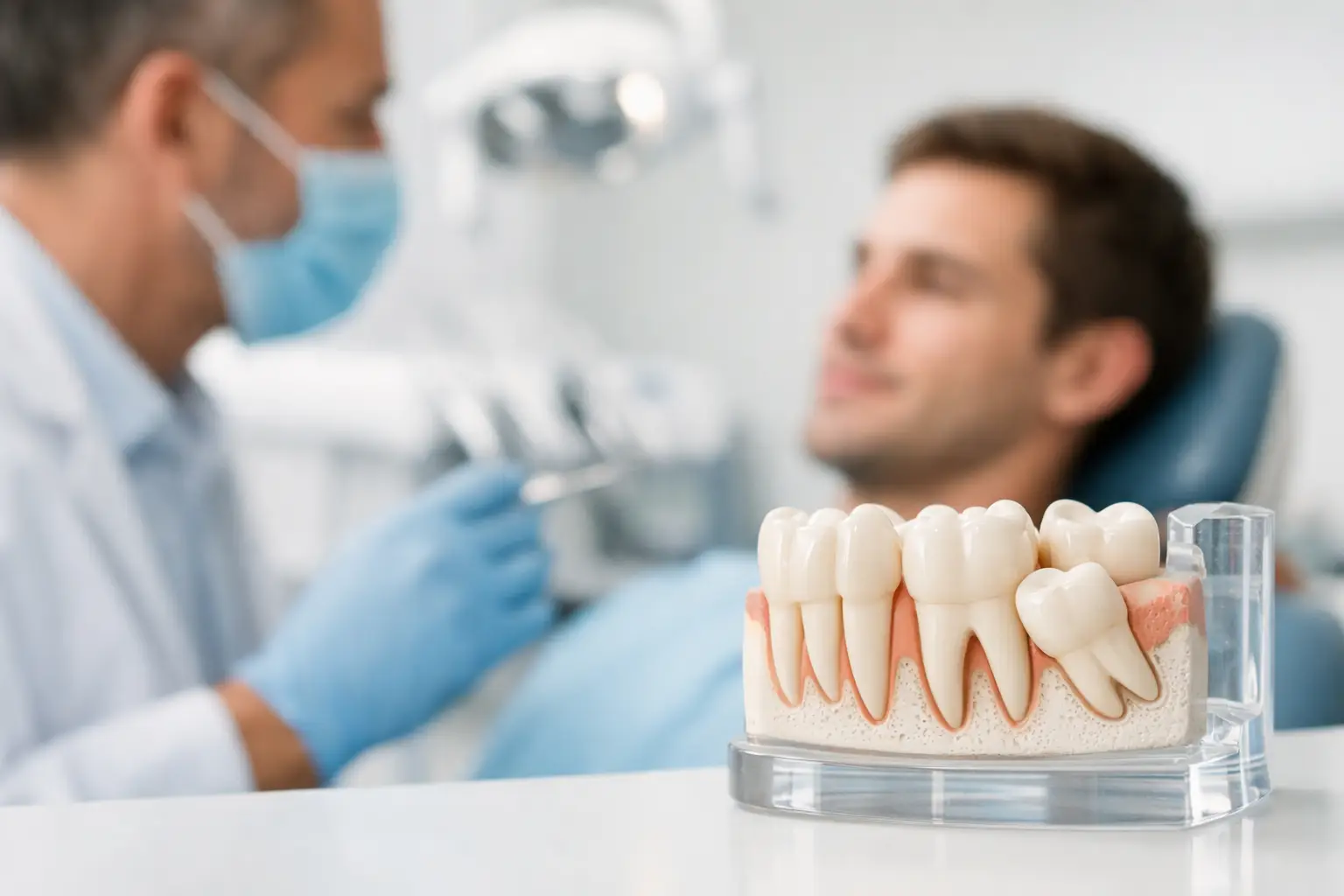
When Should Wisdom Teeth Be Removed?
A wisdom tooth can sit quietly for years, then suddenly cause swelling before a trip, crowd a back tooth, or show up on an X-ray as a problem waiting to happen. That is why so many patients ask, when should wisdom teeth be removed? The short answer is that removal depends on position, symptoms, age, and whether the teeth are likely to harm your oral health later.
For some people, wisdom teeth never need to come out. If they grow in fully, are easy to clean, and do not affect neighboring teeth or gums, your dentist may simply monitor them. For many others, though, these back molars do not have enough space to erupt properly. They may stay trapped under the gums, come in at an angle, or create pockets where bacteria collect. In those cases, waiting too long can make a manageable issue more complicated.
When should wisdom teeth be removed?
The best time is usually when there is a clear sign of current trouble or a strong risk of future trouble. Dentists look at more than pain. In fact, some wisdom teeth need attention before they start hurting at all.
A wisdom tooth may need removal if it is impacted, partly erupted, pressing against the second molar, or associated with repeated gum inflammation. It may also be recommended if there is decay that cannot be cleaned properly, bone loss around the area, or a cyst beginning to form. Sometimes orthodontic or restorative treatment also changes the conversation. If a patient is investing in a healthy, aligned smile, leaving a problematic wisdom tooth in place may not make sense.
Timing matters. Younger patients often heal faster because the roots may not be fully formed and the bone is generally less dense. That does not mean every teen should automatically have wisdom teeth removed. It means that if the teeth are already showing signs of poor positioning, earlier treatment can be simpler than waiting for pain, infection, or damage.
Signs your wisdom teeth may need attention
Pain is the symptom most people recognize first, but it is not the only one. Pressure in the back of the mouth, swelling around the gums, bad breath that keeps returning, jaw soreness, difficulty opening wide, or food trapping behind the last molar can all point to a wisdom tooth issue.
A partially erupted wisdom tooth is a common problem. When only part of the tooth comes through, a flap of gum can remain over it. That space is hard to clean and can trap bacteria and debris. The result may be repeated tenderness, swelling, or infection. A patient might feel better after a few days and assume the issue is gone, but the cycle often returns.
Sometimes the warning signs appear on dental imaging before symptoms start. A wisdom tooth may be angled toward the neighboring tooth or sitting in a way that threatens the roots or bone around it. In those situations, early removal can protect the healthy tooth in front of it.
Why some wisdom teeth can stay
Not every wisdom tooth is a problem. If the tooth has erupted normally, has enough room, bites properly with the tooth above it, and can be cleaned as easily as the rest of your molars, removal may not be necessary.
That said, a tooth being symptom-free today does not guarantee it will stay that way. Wisdom teeth are far back in the mouth, which makes them harder to brush and floss well. Even a fully erupted tooth can be more prone to decay or gum problems simply because access is difficult. Your dentist may recommend keeping it under observation with routine exams and digital X-rays rather than removing it right away.
This is where personalized care matters. The right decision is not based on a rule that applies to everyone. It is based on whether keeping the tooth is likely to support or complicate long-term oral health.
Age and timing make a difference
Patients often hear that wisdom teeth should come out in the late teens or early twenties. That window is common for a reason. By then, wisdom teeth are usually visible enough on X-rays to evaluate clearly, but healing tends to be easier than it is later in life.
As we get older, roots can become more developed and more closely related to nearby nerves or sinus spaces. Bone also becomes denser, which can make surgical removal more complex. Again, this does not mean adults cannot have wisdom teeth removed successfully. Many do. It simply means that delaying treatment for a tooth already known to be problematic may lead to a tougher recovery than acting earlier.
For parents, this often raises a practical question about teens. If a teen has no symptoms, should wisdom teeth still be checked? Yes. A routine exam with imaging can show whether there is enough space and whether the teeth are growing in a healthy direction. Monitoring early helps families make calm, informed decisions instead of reacting to an emergency.
Common reasons dentists recommend removal
The most common reason is impaction, which means the tooth cannot erupt normally. It may be trapped in the jawbone or gum tissue, or it may be coming in sideways. Impacted teeth can cause pain, infection, damage to nearby teeth, and difficult-to-clean areas where decay develops.
Another common reason is repeated gum infection around a partially erupted tooth. Even if the infection settles with cleaning or medication, the underlying issue often remains. If the anatomy makes proper cleaning impossible, the problem tends to keep coming back.
Dentists may also recommend removal when a wisdom tooth threatens the second molar. The second molar is usually a healthy, useful chewing tooth, and protecting it matters. If a wisdom tooth is pushing against it or creating a spot where decay or bone loss is starting, removing the wisdom tooth may prevent bigger treatment needs later.
In some cases, patients preparing for braces, Invisalign, crowns, implants, or other care need a broader treatment plan. Wisdom teeth are not always the reason for crowding, but they can still interfere with keeping the back of the mouth healthy and stable. A complete evaluation helps put every piece of the puzzle in the right place.
What happens if you wait too long?
Sometimes nothing. That is the honest answer. Some people keep their wisdom teeth for life without major issues.
But when a tooth is already poorly positioned, waiting can allow problems to build quietly. Decay can spread between the wisdom tooth and the molar in front of it. Gum pockets can deepen. Recurrent infections can become more frequent. A cyst can enlarge around an impacted tooth. Even if pain comes and goes, the damage may continue in the background.
There is also the question of comfort and convenience. Planned treatment is usually easier than urgent treatment. If swelling appears during a busy week, before travel, or while managing school or work, the experience is more stressful than addressing the issue on your own schedule.
How dentists decide the right timing
The decision usually starts with an exam and digital X-rays. Your dentist will look at the angle of the tooth, whether it has enough room, how close it is to neighboring teeth and nerves, and whether there are signs of infection, decay, or bone changes.
Symptoms matter, but so does future risk. A dentist may say, in effect, this tooth is fine to monitor, or this tooth is not hurting yet but is very likely to create trouble. That difference is important. Good care is not about removing every wisdom tooth. It is about choosing the option that gives you the best chance of staying comfortable and healthy.
At a patient-focused practice like Nevis Dental, that conversation should feel clear and reassuring, not rushed. You should understand why removal is being suggested, what happens if you wait, and what recovery is likely to look like in your specific case.
If you are unsure, do not wait for severe pain
A lot of people assume wisdom teeth only matter once they become unbearable. In reality, the better moment to ask about them is earlier, when you notice mild pressure, occasional swelling, trapped food, or even just a sense that something feels off in the back of your mouth.
A simple evaluation can tell you whether your wisdom teeth are healthy, watch-and-wait teeth, or teeth that would be safer to remove sooner rather than later. If you have been wondering whether now is the right time, that question alone is a good reason to have them checked. Peace of mind is part of good dental care too.
