
Is an Oral Appliance for Snoring Right?
If snoring has become the soundtrack of your nights, you are not alone. For many adults, an oral appliance for snoring can be a simple, comfortable option that helps reduce noise, improve sleep quality, and make bedtime easier for everyone in the room.
Snoring often gets brushed off as a nuisance, but it can affect much more than peace and quiet. It can leave you feeling tired in the morning, disrupt your partner’s sleep, and sometimes point to a deeper breathing issue that should not be ignored. The good news is that treatment does not always mean a bulky machine or major intervention. In the right situation, a custom dental appliance can make a real difference.
What is an oral appliance for snoring?
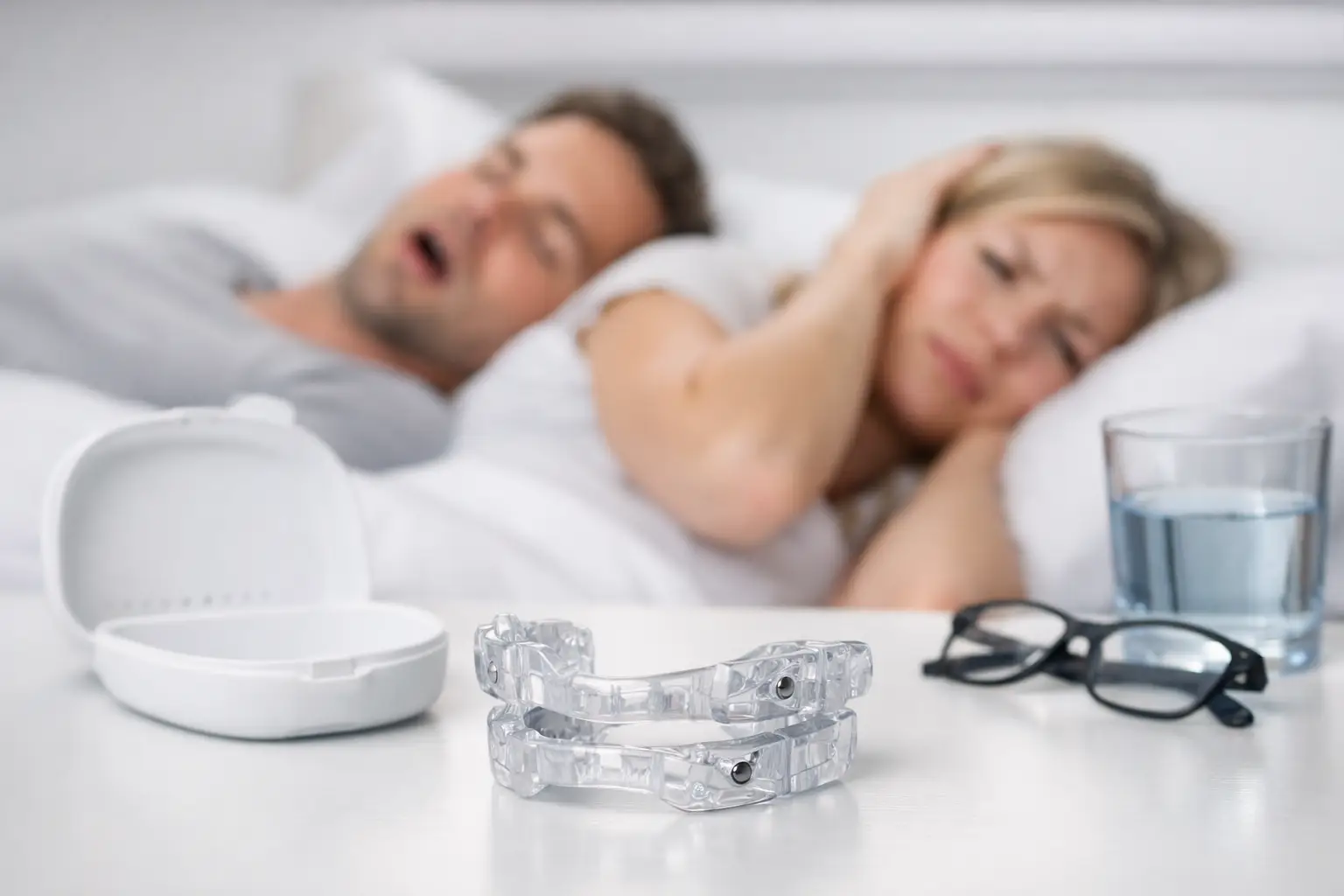
An oral appliance for snoring is a small device worn in the mouth while you sleep. It usually fits over your teeth, much like a sports mouthguard or a clear aligner, but its job is very different. It helps keep your airway more open by gently repositioning your lower jaw, tongue, or both.
When the airway narrows during sleep, the soft tissues in the throat can vibrate as air moves through. That vibration is what creates the sound of snoring. By improving the position of the jaw and supporting a clearer airflow path, the appliance can reduce or sometimes stop that vibration.
These devices are not one-size-fits-all. A professionally made appliance is customized to your mouth, your bite, and your comfort. That matters, because a poor fit can lead to sore teeth, jaw tension, or simply a device you stop wearing after a week.
How an oral appliance for snoring works
Most snoring appliances work by moving the lower jaw slightly forward. This small shift can help create more space behind the tongue and in the upper airway. It sounds minor, but even a few millimeters can change airflow enough to reduce snoring.
Some appliances are adjustable, which means your dentist can fine-tune the position over time. That gradual approach is helpful because there is usually a balance between effectiveness and comfort. Too little movement may not help enough. Too much can make your jaw feel strained.
This is one reason custom care matters. A good fit is not just about comfort on the first night. It is about making sure the appliance actually works for your anatomy and remains comfortable enough to wear consistently.
Who may benefit most
Oral appliances are often a good option for adults with primary snoring, meaning snoring that is not tied to a more serious sleep disorder. They can also help some people with mild to moderate obstructive sleep apnea, though that decision should be based on proper evaluation.
You may be a good candidate if you snore regularly, breathe better when your jaw is in a slightly forward position, or want an alternative to other sleep treatments. They are also appealing for people who travel often or do not tolerate larger equipment well.
That said, it depends on more than the sound of your snoring. Your airway shape, jaw position, weight changes, nasal congestion, and sleep habits all play a role. If you wake up gasping, have significant daytime sleepiness, or your partner notices pauses in your breathing, a fuller assessment is important before choosing any device.
When snoring is more than snoring
This is the part many people miss. Snoring can be harmless, but it can also be a sign of obstructive sleep apnea. Sleep apnea happens when breathing repeatedly stops or becomes very shallow during sleep. That can affect oxygen levels, sleep quality, and long-term health.
An oral appliance may still be part of treatment for some sleep apnea patients, but the first step is making sure the diagnosis is clear. A dental exam can help identify whether your mouth, jaw, and airway suggest that an appliance might work well, but symptoms may also point to the need for a sleep study or medical evaluation.
Warm, personalized care matters here. You do not want guesswork when it comes to sleep and breathing. You want to understand whether you are dealing with simple snoring or something that needs broader attention.
Why custom appliances are usually better than store-bought options
Over-the-counter snoring devices can seem appealing because they are easy to find and usually cheaper upfront. The problem is that they are designed to fit almost everyone, which often means they fit almost no one particularly well.
A custom appliance is made from impressions or digital scans of your teeth. That means better retention, more precise positioning, and a more comfortable feel. It also means your dentist can monitor how the appliance affects your bite, jaw joints, and tooth alignment over time.
Store-bought devices may help in some cases, but they can also be bulky, unstable, or difficult to tolerate. If you are already dealing with jaw discomfort, dental restorations, or sensitive teeth, professional guidance becomes even more important.
What the process looks like at the dentist
Getting a snoring appliance is usually straightforward. It begins with a conversation about your symptoms, sleep habits, and health history. Your dentist will examine your teeth, gums, jaw, and bite to make sure an appliance is a safe and practical option.
If you move forward, impressions or digital scans are taken so the appliance can be custom made. Once it is ready, you will try it on, and adjustments can be made to improve fit and comfort. In many cases, there is also a period of follow-up visits to fine-tune the position.
This step-by-step approach is a good thing. The best results often come from small adjustments over time, not from trying to force an instant fix. A patient-first practice will make space for that, because comfort is what makes treatment sustainable.
What it feels like to wear one
Most patients need a short adjustment period. It is normal to notice extra saliva, slight tooth pressure, or mild jaw awareness at first. For many people, that settles as the mouth adapts.
Comfort can vary depending on your bite, how much advancement is needed, and whether you already clench or grind your teeth. Some patients find that an oral appliance feels easier to manage than they expected. Others need a few small modifications before it feels natural.
The key is communication. If something feels off, you should not just stop wearing it and hope for the best. Small changes in fit or positioning can make a big difference.
Benefits beyond a quieter bedroom
Less snoring is usually the first thing people notice, but it is not the only benefit. Better airflow at night can support more restful sleep, and that can improve how you feel during the day. Some patients report waking with more energy, less dry mouth, or fewer interrupted nights.
There is also the relationship side of it, which is real and worth acknowledging. Snoring can push partners into separate rooms, lighter sleep, or regular frustration. Reducing that strain can improve more than rest.
Still, expectations should stay realistic. An oral appliance is effective for many people, but it is not a magic fix for every kind of snoring. Your results depend on the cause of the snoring and how consistently you wear the appliance.
Possible drawbacks and trade-offs
A balanced conversation matters here. Oral appliances are convenient and low-profile, but they are not perfect for everyone. Some people experience jaw soreness, tooth movement over time, or bite changes if the appliance is not monitored properly.
People with significant dental instability, untreated gum disease, or very few teeth may need other options first. If nasal blockage is a major part of the problem, addressing that issue may be just as important as using a mouth appliance.
This is why a one-size-fits-all answer does not work. Good care means looking at the full picture, not just handing out a device and hoping it solves everything.
Caring for your appliance
Daily care is simple. The appliance should be cleaned gently and stored properly when not in use. It also helps to bring it to dental checkups so your dentist can inspect it for wear and make sure it still fits as it should.
Teeth can shift subtly over time, and restorations or other dental changes can affect fit. If the appliance starts feeling loose, tight, or less effective, do not ignore it. A quick adjustment may keep it working well.
When to talk to a dentist
If snoring is frequent, loud, or affecting your sleep quality, it is worth bringing up at your next visit. The same goes if a partner has noticed choking sounds, pauses in breathing, or restless sleep. These details help guide the next step.
For patients who want a comfortable, personalized approach, a custom oral appliance may be a smart place to start. At a community-focused clinic such as Nevis Dental, the goal is not just to quiet the sound. It is to help you sleep more comfortably, protect your health, and feel cared for every step of the way.
A quieter night can do more than make the room peaceful. It can help you wake up feeling more like yourself.
