
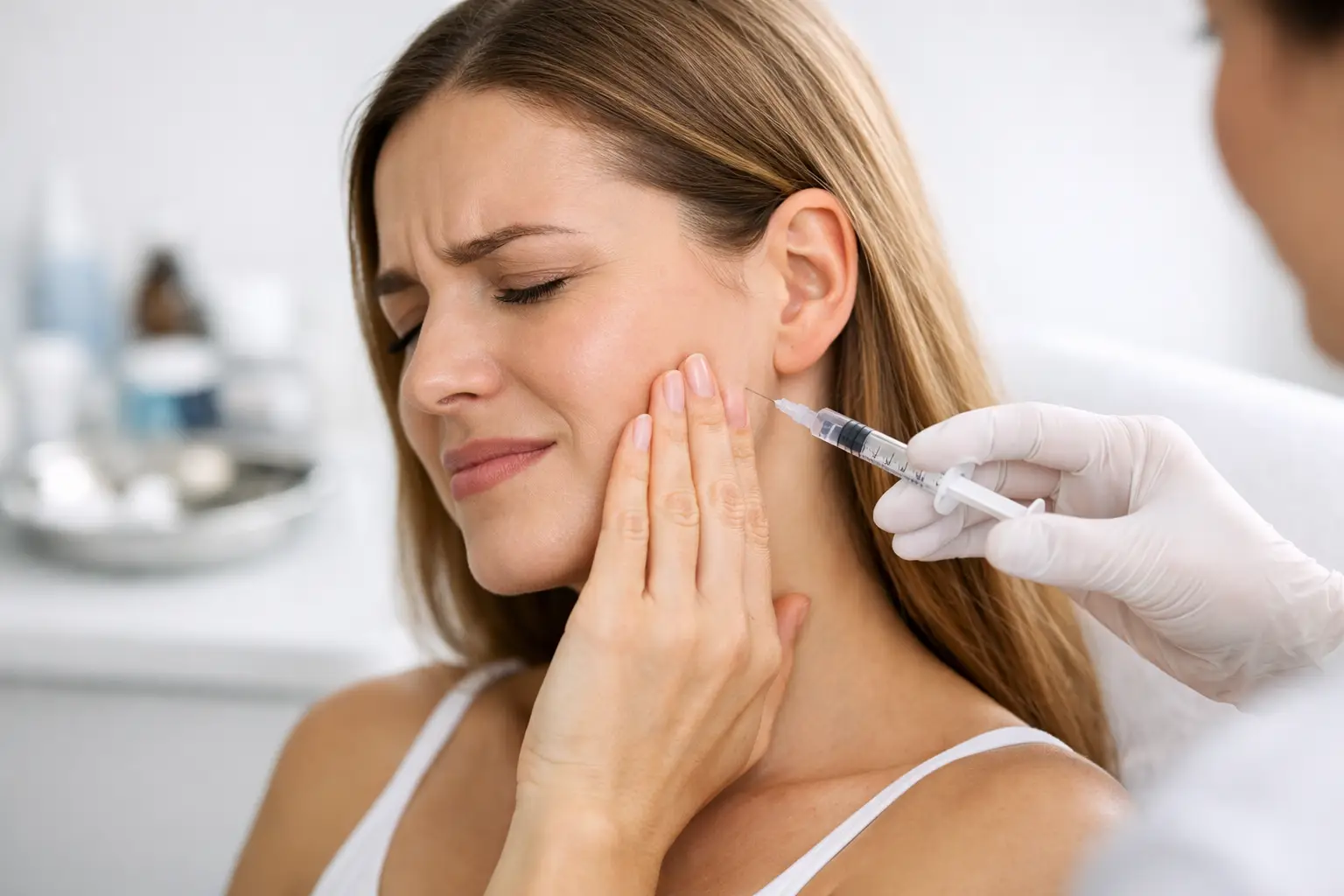
Botox for Jaw Clenching: Does It Help?
You wake up with a sore jaw, a dull headache behind your temples, or teeth that feel oddly sensitive. For many people, that pattern is not random. Botox for jaw clenching has become a popular option for adults who grind, tense, or overwork their jaw muscles – especially when a night guard or stress management alone has not brought enough relief.
Jaw clenching often sounds minor until it starts affecting daily life. It can lead to facial pain, worn teeth, tension headaches, and strain in the temporomandibular joints, often called the TMJs. Some people notice a square or bulky jawline from overactive masseter muscles, while others simply feel tired and achy around the face. The good news is that treatment does not have to be one-size-fits-all, and Botox can be one part of a thoughtful plan.
What causes jaw clenching?
Jaw clenching, also called bruxism when it includes grinding, can happen during the day, during sleep, or both. Stress is a common factor, but it is not the only one. Bite issues, sleep problems, certain medications, anxiety, and habit patterns can all play a role.
That is why a proper evaluation matters. If someone is clenching because of muscle overactivity, Botox may help. If the real issue is an unstable bite, an untreated sleep disorder, or joint inflammation, muscle relaxant treatment alone may not solve the problem. In many cases, the best results come from pairing symptom relief with a closer look at the underlying cause.
How botox for jaw clenching works
Botox is a purified neuromodulator that temporarily reduces muscle activity. When it is placed into the jaw muscles, most often the masseter and sometimes the temporalis, it weakens the force of clenching. The goal is not to make the jaw stop working. The goal is to reduce the excessive pressure that causes pain, tension, and wear.
For patients with strong masseter muscles, this can make a real difference. Less force means less strain on the teeth and surrounding structures. Many people also notice fewer tension headaches and less facial fatigue. If the jaw has developed a broader look from heavy clenching, the face may appear softer over time as the muscle becomes less bulky.
This is one reason Botox can fit naturally within a modern dental setting. Jaw clenching is not just a cosmetic concern. It often sits right at the intersection of oral health, muscle function, and facial comfort.
What symptoms may improve?
People often ask whether Botox is only for pain. It is not. Depending on the case, treatment may help with several related issues.
A patient may notice reduced jaw soreness in the morning, fewer headaches, less pressure around the temples, and decreased tooth sensitivity caused by grinding. Some feel that chewing-heavy foods becomes more comfortable once the muscles are no longer constantly overworked. Others seek treatment because they are breaking fillings, chipping teeth, or seeing visible wear from long-term clenching.
That said, results vary. Botox can reduce the intensity of muscle contraction, but it does not fix every source of TMJ discomfort. If pain is coming mainly from the joint itself rather than the muscles around it, the improvement may be partial.
Who is a good candidate?
The best candidate is usually someone with clear signs of muscle-driven jaw tension. This may include enlarged masseter muscles, frequent clenching, stress-related facial soreness, or ongoing grinding despite conservative care.
Many adults consider Botox after trying a night guard, heat, stretching, or changes in stress habits without enough relief. It can also appeal to patients who want both functional improvement and a slimmer lower-face appearance.
Still, it is not right for everyone. Pregnant or breastfeeding patients are generally advised to postpone treatment. Certain neuromuscular conditions or medication interactions may also make Botox a poor fit. A consultation is the place to review medical history, symptoms, and treatment goals carefully.
What happens during treatment?
The appointment itself is usually quick. After the provider evaluates the jaw muscles and asks you to clench, small injections are placed into targeted areas. Most patients describe the feeling as brief and very manageable.
There is little downtime. You can usually return to normal daily activities right away, although your provider may recommend avoiding strenuous exercise or massaging the area for a short period. The effects do not happen instantly. Many people start noticing changes within several days, with fuller results appearing over one to two weeks.
The amount used depends on the strength of the muscles, facial anatomy, and whether the focus is symptom relief, facial slimming, or both. This is not a treatment where more is always better. Precision matters because the goal is to relax the right muscles without interfering with normal function.
How long does botox for jaw clenching last?
For most people, the effect lasts around three to four months, though some may notice a shorter or longer duration. First-time treatments sometimes wear off a little faster. With repeated care, some patients find that their muscles become less overactive over time and they can space appointments out more comfortably.
This is one of the trade-offs to understand upfront. Botox is temporary. It can offer meaningful relief, but it is maintenance-based care rather than a permanent correction. For many patients, that is still worthwhile because it helps them feel better, protect their teeth, and break a cycle of chronic muscle tension.
Benefits and limitations to know
The biggest benefit is targeted relief. Botox can reduce the strength of clenching without surgery and without a long recovery. It may help protect dental work, lower muscle pain, and improve quality of life for people who are tired of waking up sore.
It also has cosmetic potential. When enlarged jaw muscles are part of the picture, treatment can soften a wider or more angular lower face. Some patients appreciate that added benefit, while others are only interested in comfort. Either reason can be valid.
The limitation is that Botox is not a cure-all. It does not correct damaged teeth, replace a night guard, or resolve every TMJ disorder. If clenching has already caused cracks, worn enamel, or bite changes, those problems may still need dental treatment. And if stress is a major trigger, symptom relief may work best when combined with lifestyle support.
Are there side effects?
Side effects are usually mild and temporary. You may have slight tenderness, swelling, or bruising at the injection sites. Some people feel a little different when chewing firm foods for the first week or two because the masseter muscle is less forceful.
Less common risks include uneven smile changes, excessive weakness, or effects on nearby muscles if placement is not precise. That is why provider experience matters. In a dental practice that understands bite function, muscle anatomy, and oral health, treatment can be planned with both comfort and safety in mind.
Botox vs. a night guard
This is not always an either-or decision. A night guard protects the teeth by creating a barrier and sometimes reducing strain on the jaw. Botox reduces the strength of the muscle itself. Those are different jobs.
For some patients, a night guard is enough. For others, the guard protects the enamel but they still wake up with tension and headaches because the muscles are working hard all night. In those cases, combining both approaches may make more sense than choosing only one.
The right answer depends on what is happening in your mouth. If the main concern is tooth wear, a guard may be essential. If the bigger problem is muscle overload, Botox may add relief that a guard cannot provide on its own.
What about cost?
Cost varies based on how many units are needed, how strong the muscles are, and how often treatment is repeated. Jaw clenching often requires more product than small cosmetic treatment areas, so pricing can be higher than patients expect.
It is also worth asking what is included in the plan. A thorough dental and facial assessment, customized dosing, and follow-up guidance add value. The cheapest option is not always the wisest one when the treatment affects how you chew, speak, and feel day to day.
When to talk with a dental provider
If you are seeing flattened teeth, fractures, jaw soreness, or frequent morning headaches, it is a good time to ask questions. A dental evaluation can help determine whether you are dealing with clenching, grinding, TMJ strain, or a mix of issues.
At a practice that offers both oral health care and facial aesthetic treatment, the conversation can be more complete. Instead of looking at jaw pain as separate from your teeth, bite, and facial muscles, the provider can assess how those pieces connect and recommend a plan that fits your goals.
For patients in Nevis who want relief without guessing, that kind of personalized approach can be especially helpful. Sometimes the answer is Botox. Sometimes it is a night guard, restorative care, bite adjustment, or a combination of treatments. What matters most is choosing care based on the cause, not just the symptom.
If your jaw feels like it is working overtime, you do not have to keep pushing through it. The right treatment can protect more than your teeth – it can help you feel more comfortable in your own face every day.
