
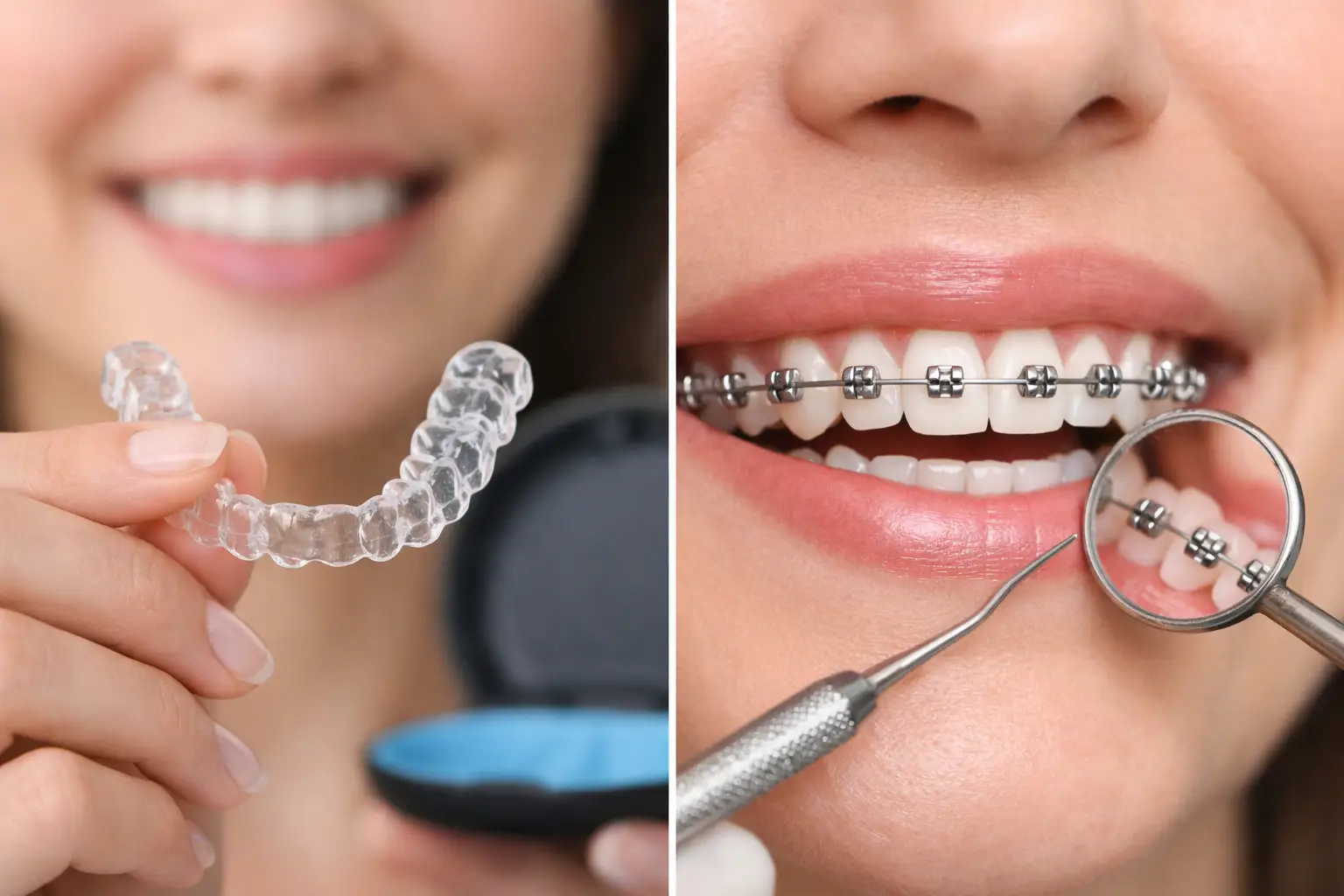
Invisalign vs Braces Adults Should Consider
A lot of adults start orthodontic treatment with the same quiet question: will this fit into my real life? When comparing invisalign vs braces adults usually care less about what is trendy and more about what works with work meetings, social events, comfort, and long-term results.
That is why the right choice is rarely about which option looks better in a photo. It is about your teeth, your bite, your schedule, and how consistent you can be during treatment. Both Invisalign and braces can create healthier, more confident smiles. The better option depends on what needs to move and how you want to live while it happens.
Invisalign vs braces for adults: what is the real difference?
Invisalign uses a series of clear, removable aligners that gradually shift teeth over time. Each set is custom-made and worn for most of the day, then replaced as your treatment progresses. Because the trays are removable, you take them out to eat, brush, and floss.
Traditional braces use brackets and wires attached to the teeth. They apply steady pressure and are adjusted periodically to guide teeth and bite into better alignment. Since braces stay on all the time, they keep working whether you are thinking about them or not.
For adults, that difference matters. Invisalign offers more flexibility and a more discreet appearance. Braces offer more built-in compliance because you cannot forget to wear them. If you have a demanding schedule or want treatment that blends in, Invisalign may sound more appealing. If your case is more complex or you would rather not manage trays every day, braces may be the better fit.
Appearance and confidence in daily life
For many adults, appearance is the first concern, even if they do not say it out loud. Clear aligners are popular because they are hard to notice in conversations, photos, and professional settings. If you regularly meet clients, speak in public, or simply prefer a lower-profile option, Invisalign often feels easier to say yes to.
Braces are more visible. Some adults do not mind that at all, especially if they are focused on the outcome and want the most direct route to correction. Others feel self-conscious at first, although that usually fades once treatment becomes part of everyday life.
This is one of those areas where personal comfort matters. If being discreet will make you more likely to start treatment and stay committed, that is not a small detail. It is part of choosing a plan you can follow through on.
Comfort and adjustment
Neither option is completely pain-free, but the kind of discomfort is different. Invisalign trays create pressure when you switch to a new set, and some patients notice minor irritation at the edges early on. The pressure is usually predictable and short-lived.
Braces can cause soreness after adjustments, and brackets or wires may rub against the cheeks and lips, especially in the beginning. Some foods can also make braces feel more frustrating because chewing may be tender after tightening appointments.
Adults often assume clear aligners are always more comfortable. Often, they are. But comfort is also tied to discipline. If you are frequently removing trays and putting them back in, or forgetting to wear them long enough, treatment can become less efficient and more annoying than expected.
Eating, brushing, and your routine
One of Invisalign’s biggest lifestyle advantages is that you can remove the aligners for meals. There are no food restrictions, so crunchy, sticky, and chewy foods are not off limits in the same way they are with braces. That can make social events and dining out feel much simpler.
Oral hygiene is also easier with aligners because you brush and floss normally after removing them. With braces, cleaning takes more effort. Food can catch around brackets and wires, and brushing and flossing require more patience and better technique.
That said, removable aligners come with responsibility. You need to take them out, keep them clean, avoid losing them, and wear them for the recommended number of hours each day. If your schedule is unpredictable or you snack often, this can become more of a challenge than many people expect.
Which works faster?
Adults often want a clear timeline, especially if they are planning around weddings, work events, or other milestones. The honest answer is that treatment length depends on the complexity of the case, not just the appliance.
Mild to moderate alignment issues may be treated efficiently with Invisalign. In more complex cases, especially where significant bite correction or tooth rotation is involved, braces may offer better control. In some situations, braces can move teeth more precisely because they are fixed and constantly active.
This is where online comparisons can be misleading. Two adults with crowded teeth may still need very different treatments depending on bone support, existing dental work, gum health, and bite problems. A proper orthodontic evaluation matters more than averages you find online.
Invisalign vs braces adults ask about for complex cases
When adults compare options, one of the biggest questions is whether Invisalign can handle difficult cases. The answer is sometimes yes, but not always in the same way as braces.
Invisalign has come a long way and can treat far more than simple cosmetic alignment. Many adults do very well with clear aligners, including those with moderate crowding, spacing, and certain bite issues. However, braces may still be recommended when tooth movement needs to be highly controlled, when the bite is more complicated, or when compliance is likely to be a problem.
This is not about one option being modern and the other being outdated. It is about matching the tool to the job. A caring, personalized treatment plan should focus on predictable results, not just preference.
Cost and value over time
Cost matters, and adults usually want to know whether Invisalign is more expensive than braces. In many cases, Invisalign can cost the same or somewhat more, but pricing varies based on treatment length, complexity, and the details of your plan.
It helps to think beyond the base fee. If Invisalign fits your lifestyle better, the value may come from convenience, appearance, and easier hygiene. If braces are more effective for your case, the value may come from stronger control and fewer opportunities for treatment delays caused by missed wear time.
The lowest price is not always the most affordable choice if it leads to a longer treatment, extra visits, or less predictable results. Adults usually do best when they understand both the clinical and lifestyle value of each option.
What adults often overlook
A few practical details get missed in the first conversation. If you have crowns, bridges, implants, or other restorative work, your treatment plan may need extra coordination. If you grind your teeth, have gum recession, or have not had a dental exam in a while, those issues should be addressed before or during orthodontic care.
Retention matters too. Whether you choose Invisalign or braces, you will likely need a retainer after treatment to help protect your results. Straightening teeth is only part of the process. Keeping them there is just as important.
For adults, this is one reason a full-service practice can be helpful. When orthodontic care is considered alongside overall oral health, cosmetic goals, and long-term maintenance, the plan tends to feel more complete and realistic.
So which one is better?
If you want the shortest possible answer, neither is better for everyone. Invisalign is often a strong choice for adults who want a discreet option, have mild to moderate alignment concerns, and know they will wear the trays as directed. Braces are often better for adults who need more complex correction or want a treatment that does not depend on daily discipline.
The best decision usually comes down to three things: what your teeth need, how you live, and how consistent you can be. A treatment plan should support all three.
If you are weighing your options in Nevis, a consultation can help you move from guessing to knowing. Seeing what is actually happening with your teeth and bite often makes the decision much easier. The most reassuring choice is not the one that sounds best online. It is the one that gives you a healthy smile you will still feel good about long after treatment ends.
