
What Does a Dental Exam Include?
If it has been a while since your last checkup, you may be wondering what does a dental exam include and whether it is going to be quick, uncomfortable, or full of surprises. For most patients, the answer is reassuring. A dental exam is usually straightforward, preventive, and designed to catch small issues before they turn into bigger, more expensive problems.
At a modern dental office, the exam is about more than just counting cavities. Your dentist is looking at your teeth, gums, bite, jaw, and overall oral health. In many cases, the visit also gives you a clearer picture of cosmetic concerns, worn dental work, or early changes that may need attention later.
What does a dental exam include at a routine visit?
A routine dental exam usually starts with a review of your health history. This may seem simple, but it matters. Changes in medications, recent surgeries, pregnancy, diabetes, heart conditions, or even dry mouth can affect your teeth and gums and influence how treatment is planned.
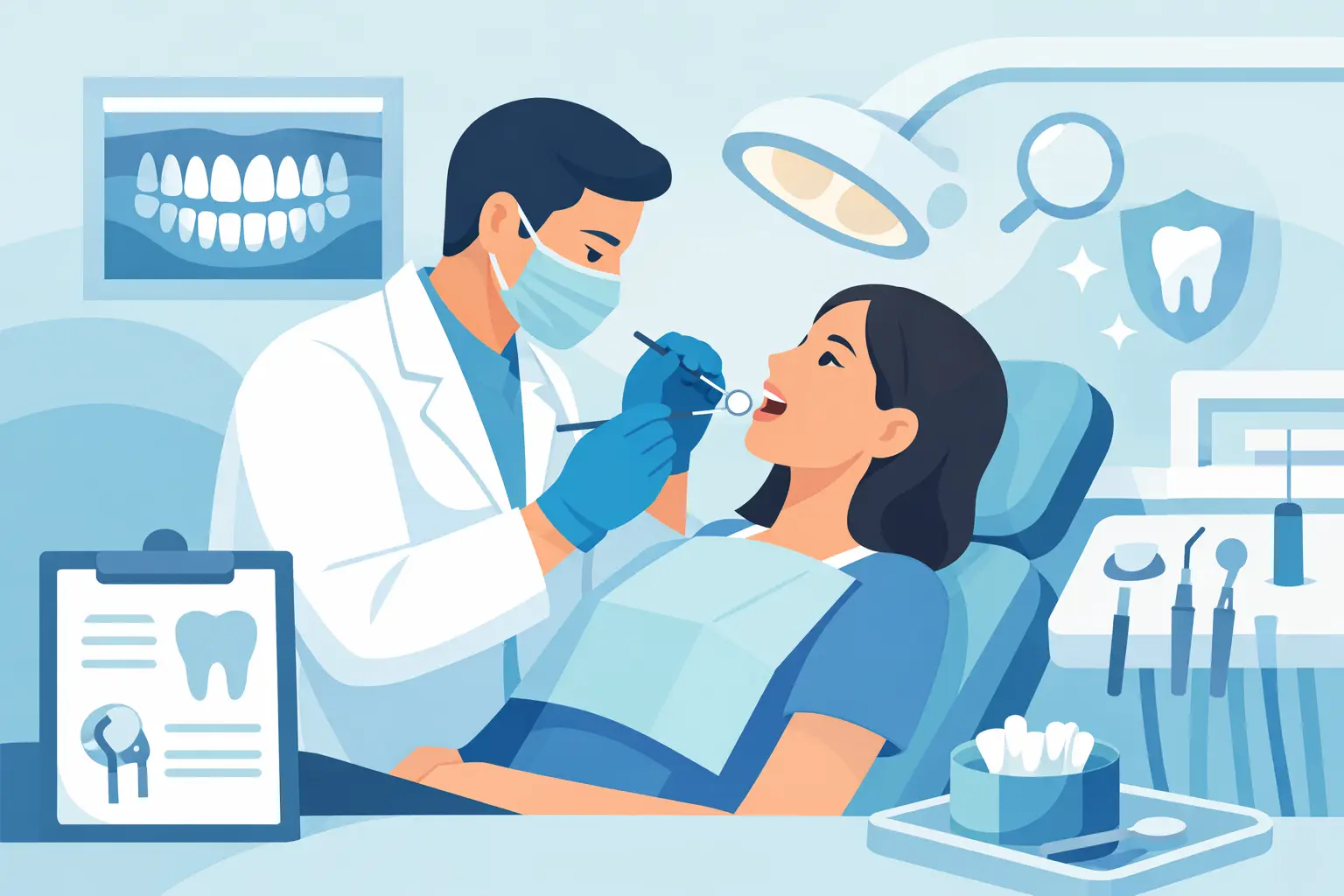
Next comes the visual and physical exam. Your dentist checks each tooth for signs of decay, cracks, worn enamel, damage, or failing fillings and crowns. The gums are examined for redness, swelling, bleeding, or recession. They also look for plaque and tartar buildup, because those often point to areas that need more attention at home or during a professional cleaning.
The exam often includes an evaluation of your bite and jaw function. If your teeth are wearing down unevenly, if you clench or grind, or if your jaw clicks or feels sore, your dentist may spot signs before you mention them. This is one reason regular exams are so useful. Some issues develop slowly and are easier to manage when caught early.
Soft tissues are part of the visit too. Your tongue, cheeks, lips, and the roof and floor of your mouth may be examined for unusual spots, irritation, or changes in texture. This part of the exam supports overall oral health, not just your teeth.
What your dentist is actually checking for
During an exam, your dentist is not only asking, “Do you have a cavity?” They are also asking a wider set of questions about your oral health. Are your gums stable? Is there evidence of gum disease? Are old restorations still holding up well? Is there early wear that could lead to sensitivity or fractures later?
They are also checking whether symptoms connect to underlying causes. For example, bleeding gums may be linked to gingivitis, but it can also reflect inconsistent flossing, certain medications, or plaque collecting around crowded teeth. Tooth sensitivity might be caused by a cavity, gum recession, enamel wear, or grinding. The exam helps sort out which issue is actually driving the problem.
That is why two patients can both come in for a “routine exam” and leave with very different conversations. One may simply need a cleaning and a reminder to stay on schedule. Another may learn that a small crack, bite issue, or early gum inflammation needs attention before it gets worse.
Do dental exams include X-rays?
Sometimes yes, sometimes no. X-rays are often part of a complete dental exam, but not every visit requires new images. It depends on your dental history, risk level, symptoms, and how long it has been since your last set.
Digital X-rays help your dentist see what cannot be seen during a visual exam alone. They can reveal decay between teeth, bone loss, infections, impacted teeth, problems under existing dental work, and changes below the gumline. If everything has been stable and recent images are already on file, you may not need new X-rays at every appointment.
If you are a new patient, have pain, are prone to cavities, or are starting a more involved treatment plan, X-rays are more likely to be recommended. The goal is not to do more than necessary. It is to make sure your dentist has a complete and accurate picture of your oral health.
Does a dental cleaning happen at the same appointment?
Often, yes, but the exam and the cleaning are not exactly the same thing. A dental exam is the assessment. A cleaning is the preventive treatment that removes plaque and tartar, polishes the teeth, and supports gum health.
In many offices, the hygienist will begin with cleaning-related steps, then the dentist comes in to complete the exam. In other cases, especially if there is significant buildup or signs of gum disease, your dentist may recommend a different type of cleaning or a separate periodontal visit.
This is one of those situations where it depends. If your mouth is generally healthy, a standard exam and cleaning often happen together with no issue. If there is more advanced gum inflammation, deep pockets, or heavy tartar below the gums, you may need more than a routine cleaning to get things back on track.
What does a dental exam include for children, teens, and adults?
The basic purpose stays the same across age groups, but the focus can shift.
For children, the exam often centers on growth, cavity prevention, brushing habits, and whether baby teeth are falling out and adult teeth are coming in as expected. Dentists also watch for early orthodontic concerns, jaw development issues, and habits like thumb-sucking that may affect the bite.
For teens, exams often include a closer look at alignment, wisdom teeth development, sports-related protection, and the effects of diet or inconsistent home care. If braces or clear aligners are being considered, the exam may also help identify timing.
For adults, the focus tends to expand to include gum health, wear from grinding, old dental work, recession, cosmetic concerns, and long-term maintenance. Adults are more likely to have fillings, crowns, or other restorations that need monitoring over time.
If nothing hurts, do you still need the exam?
Yes, and this is one of the biggest misconceptions around dental care. Many dental problems do not hurt in the early stages. A cavity may be small and painless. Gum disease may begin with mild bleeding but no real discomfort. A cracked filling can go unnoticed until it breaks further.
By the time pain shows up, the treatment is often more involved. What could have been handled with a small filling may turn into a root canal or crown. What looked like mild gum irritation may progress into deeper periodontal problems.
Routine exams are valuable because they give you a chance to stay ahead of those changes. They are less about reacting and more about protecting your smile before trouble starts.
What happens after the exam?
Once the exam is complete, your dentist will talk through what they found. If everything looks healthy, you will usually be encouraged to continue your home care and stay on your regular visit schedule. If something needs attention, the next step should be explained clearly.
That might mean a small filling, improved gum care, monitoring a suspicious area, replacing worn dental work, or discussing options for cosmetic or restorative treatment. In a full-service practice like Nevis Dental, that conversation can be especially helpful because it allows patients to look at both health and appearance in one place.
This part of the visit should feel informative, not overwhelming. A good exam gives you answers, context, and a practical plan that fits your needs.
How to get the most out of your dental exam
The best dental exams are a two-way conversation. If you have sensitivity, bleeding gums, jaw tension, bad breath, clenching, or concerns about how your smile looks, mention it. Even small details can help your dentist connect symptoms to a cause.
It also helps to share changes in your health and medications, because oral health does not exist on its own. Dry mouth from prescriptions, stress-related grinding, and medical conditions that affect healing all matter when your dentist is evaluating your mouth.
If you feel anxious, say that too. A caring dental team will want to know so they can make the visit more comfortable and explain each step clearly.
A dental exam is one of the simplest ways to protect both your oral health and your confidence. Whether your goal is to maintain a healthy smile, catch issues early, or understand what options you have for improving the look of your teeth, that appointment gives you a solid place to start. Sometimes peace of mind is the most valuable thing you leave with.
